Showing posts with label Piano Restoration Upstate New York. Show all posts

Thursday, March 7, 2024

Basics of Piano Care | Piano Rebuilding Hudson Valley

FIRST POST! Thanks for checking out this blog page. We will be adding content every week or so, as long as we keep coming up with interesting and informative things to say.
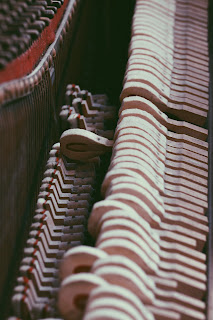

I’d like to start by talking about basic piano care… The aspect of piano care that everyone is familiar with is tuning. Pianos go out of tune due to changes in humidity, which swells and shrinks the wood of the soundboard, bridges, and action parts. This happens regardless of how much or how little the piano is played. We STRONGLY recommend having your piano tuned twice a year. This is in line with all manufacturer’s recommendations. If you put it in terms of car maintenance (the other big, complicated machine in your life), tunings are the oil changes of piano care. It’s important to note that your piano may be out of tune and still sound relatively ok, but not be at the correct pitch. More on this in a future post. Is your piano out of tune? Find out how to determine this here.

A piano is a very complex instrument, with up to 10,000 parts - many of which move and are subject to wear over time. This causes the piano to function at a sub-optimal level, lessening your enjoyment and making playing and learning more difficult. The good news is this is a relatively easy condition to combat. Every 3 years or so, the action should be serviced. To do this, we remove the action, clean it with compressed air, lubricate all action centers, and tighten all screws (over 200 in uprights!). This serves three purposes: it makes the piano play better, avoids problems due to contaminant buildup, and allows for the detection of small issues before they become big ones. If it were a car, this would be the inspection and basic tune up.

Get more Info : Piano Restoration

Website : https://www.newyorkpianoworks.com/

Contact us : Piano Rebuilding Hudson Valley

Piano Tuning And Repair Service Hudson Valley , Piano Tuning And Repair Service Upstate New York , Grand Piano Regulation , Piano Tuner Upstate New York


Thursday, October 27, 2022

Basics of Piano Care [Grand Piano Repair Kingston] [Piano Restoration Kingston]

FIRST POST! Thanks for checking out this blog page. We will be adding content every week or so, as long as we keep coming up with interesting and informative things to say.

I’d like to start by talking about basic piano care… The aspect of piano care that everyone is familiar with is tuning. Pianos go out of tune due to changes in humidity, which swells and shrinks the wood of the soundboard, bridges, and action parts. This happens regardless of how much or how little the piano is played. We STRONGLY recommend having your piano tuned twice a year. This is in line with all manufacturer’s recommendations. If you put it in terms of car maintenance (the other big, complicated machine in your life), tunings are the oil changes of piano care. It’s important to note that your piano may be out of tune and still sound relatively ok, but not be at the correct pitch. More on this in a future post. Is your piano out of tune? Find out how to determine this here.

A piano is a very complex instrument, with up to 10,000 parts - many of which move and are subject to wear over time. This causes the piano to function at a sub-optimal level, lessening your enjoyment and making playing and learning more difficult. The good news is this is a relatively easy condition to combat. Every 3 years or so, the action should be serviced. To do this, we remove the action, clean it with compressed air, lubricate all action centers, and tighten all screws (over 200 in uprights!). This serves three purposes: it makes the piano play better, avoids problems due to contaminant buildup, and allows for the detection of small issues before they become big ones. If it were a car, this would be the inspection and basic tune up.

Read More About: Piano Tuning And Repair Service Upstate New York Piano Regulation Grand Piano Repair

Friday, May 27, 2022

Should you polish your piano or not?


Before using polish on your piano, be sure it is actually necessary and beneficial. In general, most manufacturers recommend using against polishes because of the potential for damage to the finish and contamination of other parts of the instrument.

Common household products such as "lemon oil" or inexpensive "furniture polish" should be avoided. Despite the labels' claims that they "protect" the finish or "feed" the wood, they offer no protection from scratching and can actually soften the finish if over-used. Worse, they often contain silicones and oils that contaminate the wood, complicating future refinishing or repairs. Silicone is especially dangerous because of its tendency to spread within the piano, sometimes causing extensive internal damage. Avoid aerosol products altogether since the over-spray can contaminate piano strings, tuning pins, and action parts.

An appropriate polish can help to restore luster to a dulled finish or reduce the tendency of some finishes to show fingerprints. However, it should be applied sparingly and infrequently, and all excess should be wiped clean with a soft dry cloth so no visible film remains. To prevent scratching, always dust before polishing. Specific recommendations follow.

Get detail info:

Piano Tuning And Repair Service
Piano Restoration

Friday, March 11, 2022

Basics of Piano Care | Grand Piano Repair

 FIRST POST! Thanks for checking out this blog page. We will be adding content every week or so, as long as we keep coming up with interesting and informative things to say.


I’d like to start by talking about basic piano care… The aspect of piano care that everyone is familiar with is tuning. Pianos go out of tune due to changes in humidity, which swells and shrinks the wood of the soundboard, bridges, and action parts. This happens regardless of how much or how little the piano is played. We STRONGLY recommend having your piano tuned twice a year. This is in line with all manufacturer’s recommendations. If you put it in terms of car maintenance (the other big, complicated machine in your life), tunings are the oil changes of piano care. It’s important to note that your piano may be out of tune and still sound relatively ok, but not be at the correct pitch. More on this in a future post. Is your piano out of tune? Find out how to determine this here.

A piano is a very complex instrument, with up to 10,000 parts - many of which move and are subject to wear over time. This causes the piano to function at a sub-optimal level, lessening your enjoyment and making playing and learning more difficult. The good news is this is a relatively easy condition to combat. Every 3 years or so, the action should be serviced. To do this, we remove the action, clean it with compressed air, lubricate all action centers, and tighten all screws (over 200 in uprights!). This serves three purposes: it makes the piano play better, avoids problems due to contaminant buildup, and allows for the detection of small issues before they become big ones. If it were a car, this would be the inspection and basic tune up.

Read More About Click Here : Piano Tuner Upstate New York

Monday, July 12, 2021

Why It’s Important to Tune Your Piano | Piano Regulation

There are around 230 strings on the average piano. Each string on the piano has a unique pitch and frequency that must be tuned to the other strings. The sound quality of your piano is determined by these strings, so they must be maintained properly. Due to stress, these strings can stretch over time, causing the piano to become out of tune. Seasonal Changes in humidity also cause the piano to become out of tune.

When pianos are tuned regularly, they are easier to tune, stay in good condition, and maintain their value. Piano tuning regularly also avoids damage caused by overstretched strings. It will be more expensive and time-consuming to get a piano back into tune if it hasn't been tuned in a long time.

If a piano hasn't been tuned in a long time, a piano tuner may attempt to correct the problem by raising the piano's pitch. This involves pulling all of the strings, resulting in a sharp pitch. When the strings naturally stretch over time, causing the pitch to go flat, this overcompensation should keep the piano in tune.

You should have your piano checked every six months to a year to ensure that the strings last as long as possible. If the strings are damaged too much or the keys are not properly working, you should take a piano repair service. 

Get More Info : Piano Regulation

Contact us for Piano repair service 

Website : https://www.newyorkpianoworks.com/

Tuesday, July 6, 2021

Piano Tuning And Repair Service Hudson Valley

Pianos fluctuate in pitch with changes in humidity (and extreme changes in temperature). This is why all piano manufacturers recommend that your piano be tuned AT LEAST twice a year. It is normal for your piano to go out of tune with these seasonal changes. Here is a brief description of what happens:


In winter, the air is drier, and this is compounded by indoor heat, which further dries out the air. This causes the wood in the piano - and there is a LOT of wood - to release its moisture and shrink. This causes the piano to go flat, sometimes to a surprising degree. The reverse happens in the warmer months: the soundboard, ribs, and wooden action parts all swell with the increased humidity, which (among other things) increases the pressure of the bridge on the strings, forcing the piano sharp.


A standard tuning is for those pianos that have been tuned in the past 6 months to a year. It involves manipulating the tuning pins to bring all 240 strings to their proper and harmonious pitch. We use a combination of aural and electronic tuning to ensure your piano sounds great! We also tighten the plate bolts, check for problems, and tighten the bench.


New York Piano Works (www.newyorkpianoworks.com) is the top Piano Tuning and Repair company serving Albany, Upstate New York, and the Hudson Valley. Schedule your appointment today!

Grand Piano Regulation

For pianists, a grand piano is a majestic instrument capable of expressing a vast array of emotions. But that expressiveness hinges on one c...